Table of Contents
Have you ever seen a product online and wondered how someone made money from it without owning it? This curiosity is common among those thinking about starting a dropshipping store. I felt the same excitement and doubt when I first looked into dropshipping—wanting to start small but worried about finding reliable suppliers and providing good customer service.
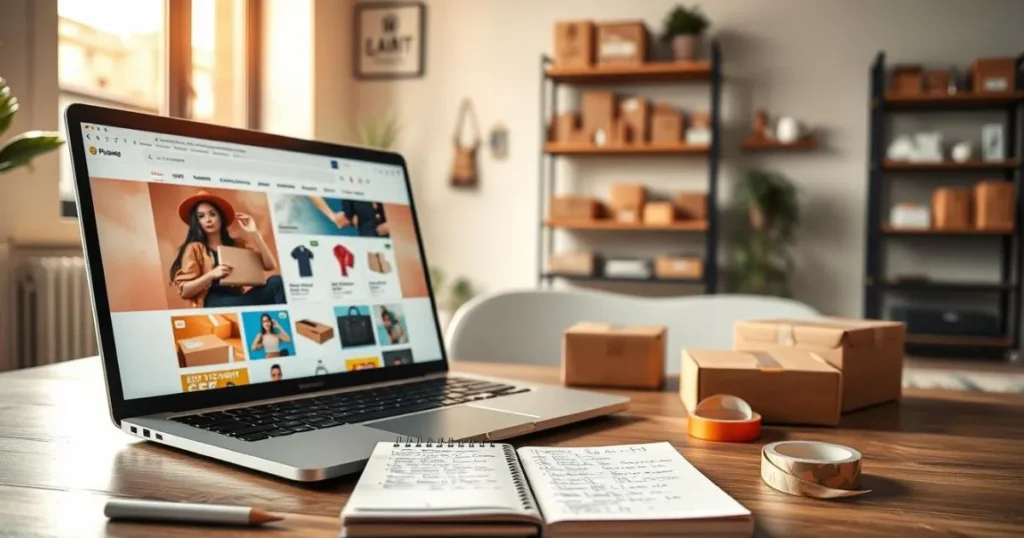
A dropshipping store is a way to sell products without keeping them in stock. When a customer buys something, you send the order to a supplier who ships it directly. Sites like Square Online, Spocket, Amazon, Alibaba, and AliExpress help connect products, suppliers, and customers.
You are the one who sets the price, collects money, and handles any issues with the sale. This makes dropshipping appealing but also challenging—you don’t have to worry about inventory but must focus on marketing, customer service, and following the law.
The market for dropshipping is growing fast. For example, Canada’s dropshipping sales were close to $7.5 billion in 2023. China is a big player in this market, thanks to its large-scale manufacturing and platforms like Alibaba and AliExpress. Dropshipping is legal, but you must follow laws and platform rules, like Amazon’s Drop Shipping Policy, and meet tax and consumer protection rules in the places you sell.
Key Takeaways
- Store dropshipping lets you sell without holding inventory, reducing startup cost and risk.
- You act as the seller of record and handle pricing, payments, and customer service.
- Common platforms include Square Online, Spocket, Amazon, Alibaba, and AliExpress.
- The dropshipping business is growing globally, with significant activity tied to China-based suppliers.
- Legal compliance and strong supplier relationships are essential for success.
Understanding the store dropshipping concept
In a store dropshipping model, you manage the store and customer service. Suppliers handle the inventory and shipping. This setup keeps your costs low because you don’t store products.
You focus on picking products, marketing, and customer service. You use a dropshipping platform or website to connect orders to suppliers.
How the dropshipping relationship works
There’s a clear process to follow for reliable growth. First, list products on your website or a marketplace. Then, a customer buys and pays through your site.
You then send the order details to the supplier. Tools like Spocket or APIs can automate this step. They also sync inventory and track orders.
The supplier ships the item directly to the customer. They might use neutral or private-label packaging for your brand. You earn the difference between the wholesale and retail prices.
You handle customer communication after the sale. This includes confirmations, tracking, returns, and refunds.
Dropshipping can involve many types of suppliers. You can sell online only or mix it with a physical store. Having clear agreements with suppliers helps keep customers happy.
Seller of record and legal obligations
As the seller of record, you’re responsible for the customer experience. This includes handling returns and following consumer laws. On platforms like Amazon, you must follow their rules to avoid penalties.
Taxes vary by location. In the U.S., sales tax applies when you meet certain thresholds. In Canada, GST or HST rules apply. Make sure you know who pays duties and who files customs declarations with your suppliers.
To manage risk, require tracking numbers and specify packaging standards. Include SLAs in supplier agreements. For example, bilingual labeling in Québec or CE markings for EU-bound goods can prevent compliance issues.
| Step | Your role | Supplier role | Tooling examples |
|---|---|---|---|
| List products | Choose SKUs, set retail price on your dropshipping website | Provide product data and images | Shopify, WooCommerce |
| Customer order | Accept payment and confirm order | Await order details | Stripe, PayPal |
| Order forwarding | Send details manually or via dropshipping platform integration | Receive order and prepare fulfillment | Spocket, Oberlo, API connectors |
| Fulfillment | Monitor status and communicate with customer | Pick, pack, and ship to customer | 3PL partners, supplier warehouses |
| Post-sale support | Handle returns, refunds, and customer service | Process returns or offer RMA per agreement | Helpdesk tools, return portals |
| Compliance | Collect taxes, ensure legal disclosures | Meet labeling and export rules | TaxJar, Avalara |
How a dropshipping store operates from setup to fulfillment
Starting a dropshipping website involves several steps. First, you choose a niche and find suppliers. Then, you build a storefront on a dropshipping platform and automate order flow. Each step impacts costs, margins, and customer satisfaction.
Choosing a niche and selecting dropshipping products
Begin with market research. Use tools like Amazon’s Product Opportunity Explorer and competitor analysis to find demand. Consider buyer personas and seasonality before making a decision.
Look for products with low return rates, easy shipping, and good margins after fees. Specializing in a niche, like energy-efficient lighting or reusable water bottles, can help you stand out.
Order samples to check quality, packaging, and delivery times. This step helps avoid surprises and keeps your brand reputation strong.
Finding and vetting dropshipping suppliers
Search for suppliers in directories, on Alibaba, AliExpress, Spocket, and at trade shows. Reach out to manufacturers directly to cut costs and boost margins.
Ask suppliers about shipping, transit times, tracking, return policies, fees, and customs responsibilities. Make sure they have written SLAs and return policies.
Check their performance through reviews, references, and sample orders. Ensure they support private-label or blind shipping if needed.
Setting up your dropshipping website and platform
Choose a dropshipping platform that works with supplier apps. Shopify, Square Online, and Amazon offer different options for automation.
Create mobile-friendly product pages with clear images, descriptions, and shipping times. Set up payment gateways, tax settings, and inventory sync to reduce errors.
Use automation for order forwarding, tracking, and inventory management. This cuts fulfillment time and scales your workload efficiently.
Order processing and customer notifications
Confirm orders with customers, forward details to suppliers, track shipments, and update buyers. Keep your messaging consistent and timely.
Be clear about shipping times and potential customs fees for international orders. Publish a clear return and exchange policy on your website.
Watch KPIs like conversion rate, average order value, margins, delivery times, and return rates. Use these metrics to improve your store and stay competitive.
| Phase | Key Actions | Tools / Examples |
|---|---|---|
| Research & Selection | Market analysis, niche choice, sample orders | Amazon Product Opportunity Explorer, Google Trends |
| Supplier Vetting | Ask SLAs, test orders, check references | Alibaba, AliExpress, Spocket |
| Platform Setup | Build site, payment setup, app integrations | Shopify, Square Online, integrations for automation |
| Fulfillment | Order forwarding, tracking, customer updates | Automated fulfillment apps, carrier tracking |
| Performance | Monitor KPIs, refine suppliers, optimize margins | Google Analytics, Shopify reports, accounting tools |
Benefits of a dropshipping business and why you might choose it
Starting a dropshipping business is easier than traditional retail. You don’t need to buy lots of products or rent space. Early costs are for a website, marketing, and testing products.
Lower startup and operating costs
You don’t spend money on inventory or warehouses. Shipping and staff are handled by others. Your costs include ads, apps, and product samples.
Flexibility, broader product selection, and remote operation
You can try many products without stock worries. Switching products quickly lets you follow trends. Suppliers offer a wide range of products at good prices.
You can run your store from anywhere with internet. Suppliers help you sell worldwide without local warehouses. This makes it easy to grow your business without big costs.
Focus on marketing and customer experience
With suppliers handling orders, you focus on your brand. Improve your website and ads to attract more customers. Good content and quick customer service boost sales.
Building a strong reputation and supporting customers well sets you apart. Automation helps you handle more orders without needing more space.
As your business grows, you can try new ways to ship and fulfill orders. This lets your store grow with your brand and profits.
Common challenges and risks in dropshipping stores
Starting a dropshipping business can save money upfront. But, it comes with risks you need to plan for. You’ll face tight profit margins, mixed inventory signals, and rely on others for product quality and delivery.
It’s important to know these challenges early. This way, you can build safeguards into your operations and choose the right dropshipping platform.
Lower profit margins and intense competition
Many sellers offer the same generic products, which lowers prices and margins. You need to consider marketplace fees, ad spend, supplier fees, and shipping costs when planning profits.
To make a sustainable income, focus on volume, a specific niche, or strong branding. Look at the best dropshipping stores for ideas on how to stand out and keep customers coming back.
Inventory and shipping complexities
Working with multiple suppliers makes it hard to keep track of stock. An item might show as available on your site but be out of stock at the supplier’s. This can lead to canceled orders and unhappy customers.
Orders from different suppliers ship separately, which increases shipping costs and delivery times. Selling across borders adds customs, duties, and paperwork. Be upfront with customers about who pays these fees and how long delivery will take.
Limited control over quality, packaging, and returns
You rely on suppliers for the right items, good packaging, and timely shipment. If they fail, your brand’s reputation suffers. Unbranded packaging can also lower perceived value and repeat purchases.
Handling returns and refunds follows supplier policies, which might be slow or costly. Make sure your return policy is clear to customers and track supplier response times to avoid disputes.
Scams and supplier reliability issues
Some third parties sell low-value supplier lists or act as expensive middlemen. There are reports of customers getting the wrong items or nothing at all. Platform rule violations can lead to suspensions on sites like eBay or Amazon.
Do your homework: research suppliers, order samples, and require tracking and service-level agreements. Keep an eye on KPIs, review customer feedback, and remove partners who don’t meet standards.
To reduce risks, diversify suppliers, add vetted 3PL partners, stock top sellers, and use a hybrid fulfillment model. These steps help control risks, protect margins, and ensure a consistent customer experience.
Conclusion
Store dropshipping is a real way to sell products without keeping them in stock. You handle the marketing, customer service, and rules while suppliers take care of the products. This makes it great for starting a business with little money and working from anywhere.
But, there are downsides. You might face thin profit margins, rely too much on suppliers, and deal with quality or shipping problems. Many sellers use suppliers from China or big marketplaces. So, it’s key to check your partners, test products, and know about returns and customs before selling.
Here’s what to do next: look into profitable niches and margins, make sure you have good agreements with suppliers, and choose a platform that works well with tools like Shopify or Amazon. Create a website that focuses on the customer, with clear shipping and return policies. Start small and use data to improve your business.
Also, be professional and follow the law. Stick to platform rules and local tax and consumer laws. Be open about shipping and returns, and focus on good supplier relationships and product quality. This way, you can grow your dropshipping business or move to a hybrid model with 3PL or some inventory as your business grows.